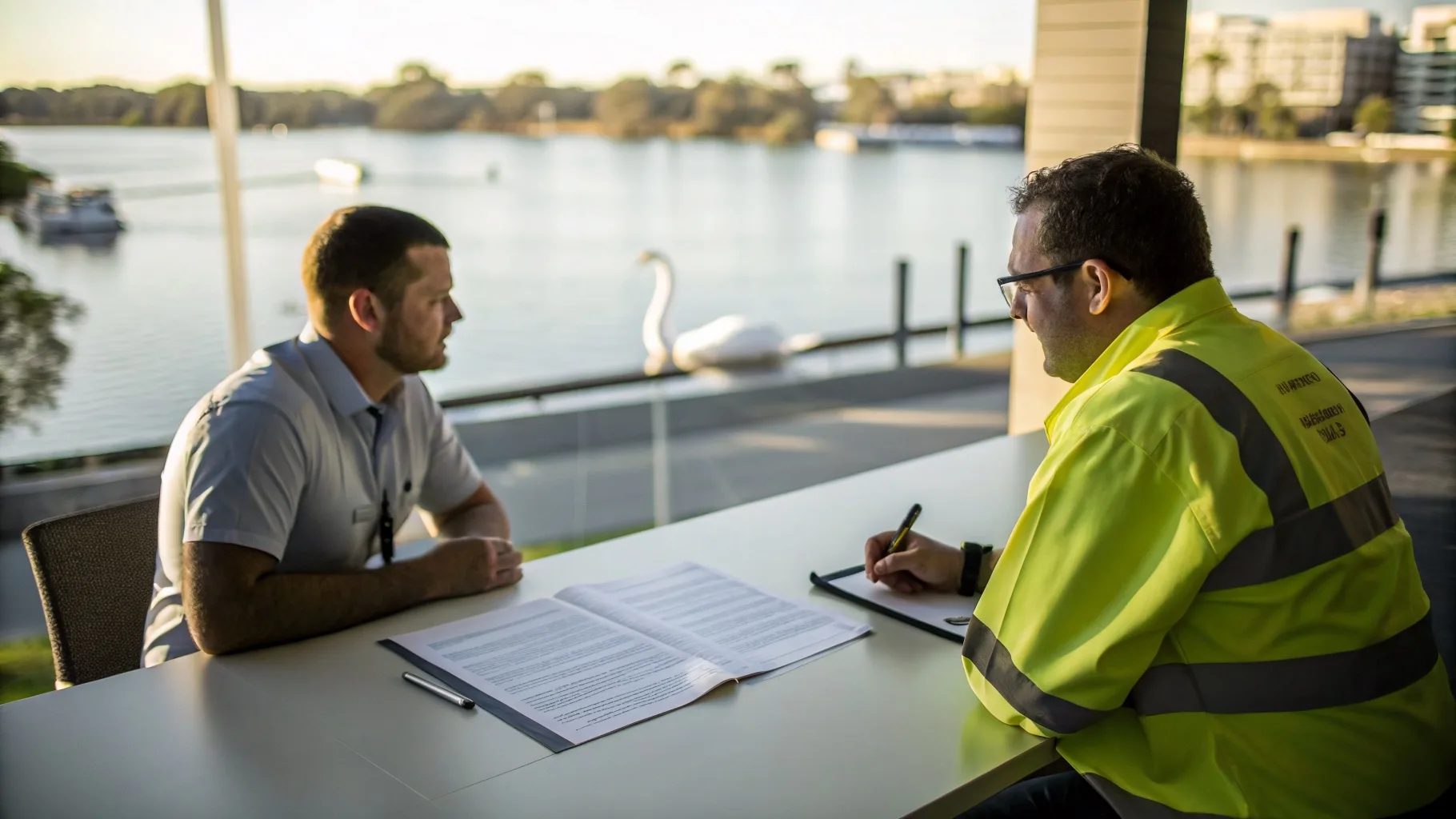
Most mining workers leave money on the table. They accept the first offer, assume salaries are fixed, or feel uncomfortable negotiating. The reality? Mining companies expect negotiation — and those who do it well can add $10,000-$30,000 to their annual package.
Here's how to negotiate effectively without burning bridges.
When Negotiation Works (and When It Doesn't)
Before we dive in, let's be realistic about when negotiation is appropriate:
Good Times to Negotiate
- After receiving an offer — This is your strongest position
- During annual reviews — Especially with documented achievements
- When taking on new responsibilities — Promotion or role expansion
- When you have competing offers — Use respectfully as leverage
- When market rates have shifted — Skills shortages work in your favour
Poor Times to Negotiate
- During initial application — Too early, no leverage
- When the company is struggling — Read the room
- Without research or justification — "I want more" isn't a strategy
- Ultimatums without backup — Don't bluff if you won't follow through
Step 1: Know Your Market Value
You can't negotiate effectively without knowing what you're worth. Research thoroughly:
Research Sources
- Mining People salary surveys — Industry-specific data
- Hays salary guide — Updated annually
- SEEK salary insights — Role-specific ranges
- Colleagues (carefully) — Same role, similar experience
- Recruitment consultants — They know current rates
Know the range for your role, experience level, and location. WA iron ore pays differently to QLD coal. Perth-based roles differ from remote FIFO positions.
Step 2: Understand the Full Package
Salary is just one component. Mining packages often include:
- Base salary — Your guaranteed pay
- Site allowances — $50-$150+ per day on some sites
- Bonuses — Production, safety, retention bonuses
- Superannuation — The legal minimum is 12% from 1 July 2025; some pay more
- Roster arrangements — 2/1 vs 8/6 has lifestyle value
- Flights and travel — From where? Business class?
- Accommodation — Single room vs shared
- Vehicle — Work vehicle for personal use?
- Training and development — Tickets, courses, career progression
A $140K salary with poor roster and shared accommodation might be worth less than $130K with a family-friendly roster and single room. Calculate the total value, not just the headline number.
Step 3: Timing Your Negotiation
For New Job Offers
Wait until you have a formal written offer. Verbal discussions are preliminary — the real negotiation happens after they've committed to wanting you.
When the offer arrives:
- Thank them and express genuine interest
- Ask for time to review (24-48 hours is reasonable)
- Review every component, not just salary
- Prepare your response
For Current Role
Time your request strategically:
- After a successful project completion
- During formal review periods
- When you've documented achievements
- When the company is performing well
Step 4: The Negotiation Conversation
Frame It Positively
Never make it adversarial. You're having a professional discussion about fair compensation, not making demands.
"I need more money or I can't accept this."
"My mate gets paid more than this offer."
"This is insulting — I'm worth way more."
"I'm excited about this opportunity. Based on my research and experience, I was hoping we could discuss the salary component."
"I've looked at market rates for this role and believe a salary of $X would better reflect the value I'll bring."
Be Specific
Don't say "I want more." State a specific number and justify it:
"Based on my 5 years of excavator experience, my clean safety record, and current market rates for experienced operators in the Pilbara, I believe $165,000 would be appropriate. I've seen similar roles advertised at $160-170K."
Listen and Respond
After making your case, stop talking. Let them respond. They might:
- Agree — Great, get it in writing
- Counter-offer — Consider it fairly
- Explain constraints — Ask about other components
- Need time — That's reasonable, set a follow-up
Step 5: Negotiating Beyond Salary
If base salary is fixed, negotiate other elements:
Alternative Negotiation Points
- Sign-on bonus — One-time payment to bridge the gap
- Review timeline — Salary review after 6 months instead of 12
- Roster preference — Better work-life balance has real value
- Training commitments — Tickets and courses paid for
- Flight arrangements — Closer departure point, better class
- Accommodation upgrade — Single room guarantee
- Annual leave — Extra days can be negotiated
Common Mistakes to Avoid
Accepting Too Quickly
Even if the offer is good, take time to review. Accepting immediately signals you would have taken less.
Negotiating Too Aggressively
You'll be working with these people. Maintain a positive relationship throughout. Being difficult in negotiation raises concerns about being difficult on site.
Making It Personal
"I have a mortgage" or "I need this for my family" aren't negotiation points. Focus on your professional value, not personal circumstances.
Forgetting to Get It in Writing
Verbal agreements mean nothing. Any negotiated changes must be reflected in your written offer or contract before you accept.
Negotiation is expected and respected in mining — when done professionally. Know your worth, make your case with evidence, and don't be afraid to ask. The worst they can say is no, and you'll still have the original offer.
Sample Negotiation Email
Hi [Name],
Thank you for the offer for the [Role] position. I'm genuinely excited about the opportunity to join [Company] and contribute to the team.
I've reviewed the offer in detail and would like to discuss the base salary. Based on my [X years] experience, my [specific skills/achievements], and current market rates for similar roles in [region], I was hoping we could consider a salary of $[X].
I'm confident I'll deliver strong value in this role and am keen to find an arrangement that works for both of us.
Would you be available for a brief call to discuss?
Thanks,
[Your name]
Ready to Land a Higher-Paying Role?
A strong resume is the foundation of salary negotiation leverage. Make sure yours showcases your full value.
Get the rewrite — $199